
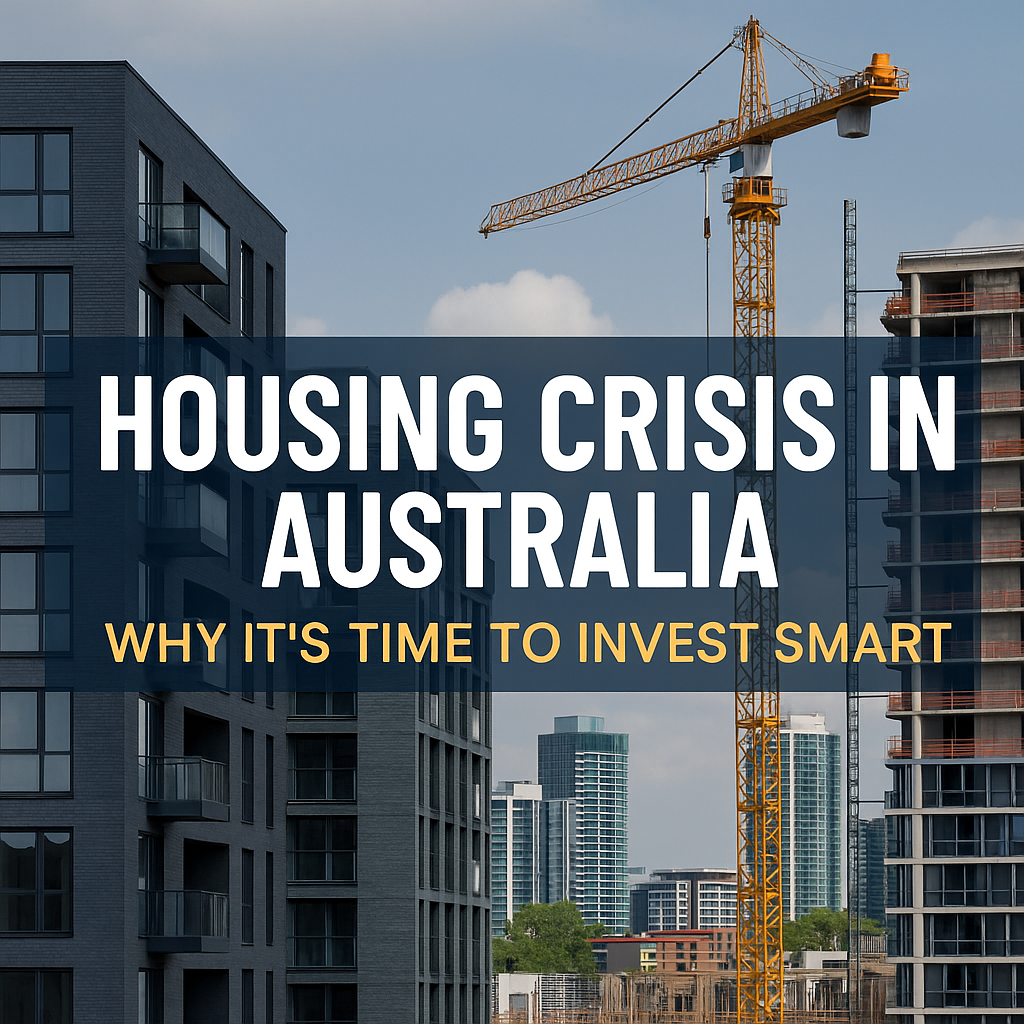
The housing market in Australia is in trouble. A mismatch between supply and demand is making it difficult to ignore a migration boom, which is building population growth and lack of new homes. The immigration policy of the government has put a lot of pressure on the property market, even though it has been a major contributor in economic development. Because of this, many Australians are working with increasing costs, less opportunities to become homeowners and a common sense of uncertainty.
Right Storm: Lack of Housing
In 2025–2026, Australia continues to face a significant accommodation deficiency, in which immigration plays a central role. In the last one year, the country welcomed a record number of new migrants, with more than 450,000 persons. While migration plays an important role in addressing the shortage of labour and running economic development, it has already increased the stressed housing market.
Despite being a major driver of economic expansion and migration, the ambitious immigration goals of the federal government have created an imbalance between population growth and housing availability. State governments are responsible for housing policy, but construction approval and new housing projects are at their lowest point in over a decade.
Increased construction costs, delays in the supply chain, and lack of labour have complicated the issue, making it difficult for the housing market to maintain demand. Consequently, first-time homebuyers and tenants are particularly hard hit. Struggling to meet the needs of an extended population, this system has left an important part of the market unable to secure affordable housing, which is deepening the crisis.

A disconnect between policy and plan
The main problem is that Australia’s housing and migration policies have not been coordinated. The high migration level is encouraged by the federal government, but the state governments are unable to keep with the demand for housing.
Furthermore, local governments frequently take a long time to approve new constructions, and some councils even put a stop to housing projects because of mid-density housing.Even while migration is vital to Australia’s economy, it is obvious that we require a comprehensive plan that aligns housing supply and migration targets. Rents will continue to rise, vacancy rates will remain high and a generation of people will be prevented from becoming homeowners if this alignment doesn’t occur.
What does this mean for property investors?
Along with the lack of current housing, there are uncertainties with investors. If they are monitoring long-term growth ability and extensive trends, investors are well positioned to make strong returns on their investments.
The key is to focus on areas with permanent demand rather than speculation about the future. Even though the cost of housing is increasing, there are opportunities in places where infrastructure is being constructed or where population expansion is expected to continue. Investors who are ready to do their research will experience the highest returns in these areas.
At the same time, it is important to consider the type of property that will meet the needs of the growing population. As the migration continues, the demand for rental properties and moderate-gradient housing will increase in well-connected suburbs. Smart property investors will identify where the market is going, not only where it is.
Seizing opportunities in a difficult market
Despite the difficulties, the current market is suitable for strategic investors. Complete awareness about local markets, legislative changes and economic trends is necessary to navigate the housing market. Professional advise can create all the difference for investors who want to succeed.
Equimax property investment advisors can assist and provide professional advice to help you make more informed investment decisions with our in depth market insights and deep understanding of the Australian property market. Book a free consultation today and take your next step toward smart property investing.
